
Educational Content

1. About Rendering
In this chapter, we will discover the world of the Rendering industry “Rendering is the process of turning animal by-products into valuable and safe ingredients. Its purpose is clear: transforming what was once considered waste into useful raw materials. The supply chain covers everything from collection, to processing, and distribution across industries. Over time, rendering has evolved from a basic practice into a pillar of the circular economy.
Read Chapter
2. Rendered Products
In this chapter, we will learn about the Rendered Products “Rendering produces essential products for multiple industries. Fats and oils, from both animal sources and used cooking oils, are applied in nutrition, energy, and more. Animal proteins, classified into ruminant and non-ruminant, are fundamental for balanced feeding. Every product is fully utilized, proving that rendering is not just recycling, but a true transformation of value with global impact.”
Read Chapter
3. Quality Control
In this chapter, we will learn about the Quality Control in the Rendering Industry “Quality is the foundation of trust in rendering products. For proteins, key parameters such as safety, digestibility, and nutritional value are evaluated. For fats, purity, energy contribution, and the absence of contaminants are carefully measured. These controls are part of international standards that protect both animal and human health, while also ensuring fair global trade. Thanks to rigorous quality control, rendering products consistently meet the highest standards of safety, reliability, and competitiveness worldwide.”
Read Chapter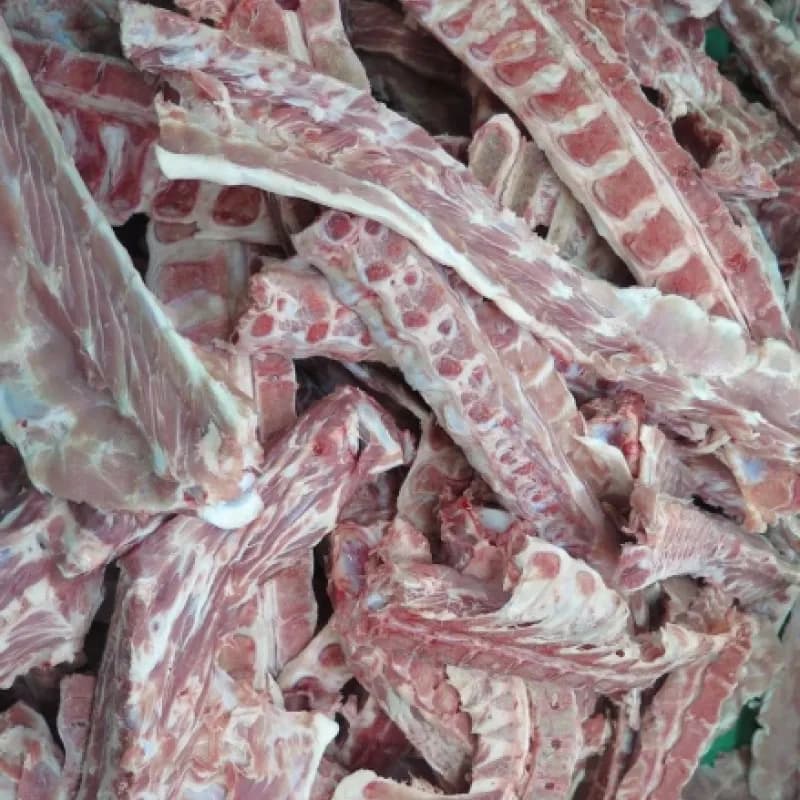
4. Raw Materials
In this chapter, we will learn about the Raw Materials for the Rendering Industry “Everything begins with raw materials. Rendering makes use of diverse sources: bovine, pork, poultry, and fish each with unique characteristics and applications. It also includes used cooking oils, known as UCO, which are transformed into valuable new products. Traceability and safety at every stage of the supply chain are essential to build trust in the market. Thanks to this diversity of sources, rendering ensures a stable, competitive, and sustainable supply worldwide.”
Read Chapter
5. Destination Industries
In this chapter, we will learn about the Destination Industries for the Renderers products “The impact of rendering is reflected across multiple industries. In animal nutrition, it provides essential proteins and fats for safe and sustainable feeding. In biofuels, processed fats become clean and renewable energy. In soap and cosmetics production, they supply high-quality raw materials. Even in agriculture, rendering products are transformed into fertilizers that return nutrients to the soil. In this way, one industry multiplies benefits for food, energy, health, and the environment.”
Read Chapter
6. Other Products
In this chapter, we will learn about other Products from the Rendering Industry “Rendering goes far beyond fats and proteins. In the food industry, it provides natural casings used in sausages and high-quality meat products. In the pharmaceutical sector, a key example is heparin, a vital medicine that saves millions of lives every year. In this way, rendering products not only feed the world, but also strengthen health, medicine, and global food security.”
Read Chapter7. Substitute Products
In this chapter, we will learn about the Substitute Products in the Rendering Industry “Rendering not only substitutes but also enhances the properties of other raw materials used in formulations in the global market”. In the case of proteins, the main substitutes are grains and some plant-based products, which, when analyzed closely, can be further enhanced with the inclusion of animal-based meals. For fats, there are different types of substitutes depending on the destination industry, such as corn for energy generation in feed or vegetable fats like soybean oil in biofuel production. However, rendering products provide a unique advantage: high quality, consistent availability, and lower environmental impact, since they make use of existing by-products. Thus, rendering does not compete; it is an industry that strives to lead in efficiency and sustainability across the entire agri-food chain and the bio-circular economy.
Read Chapter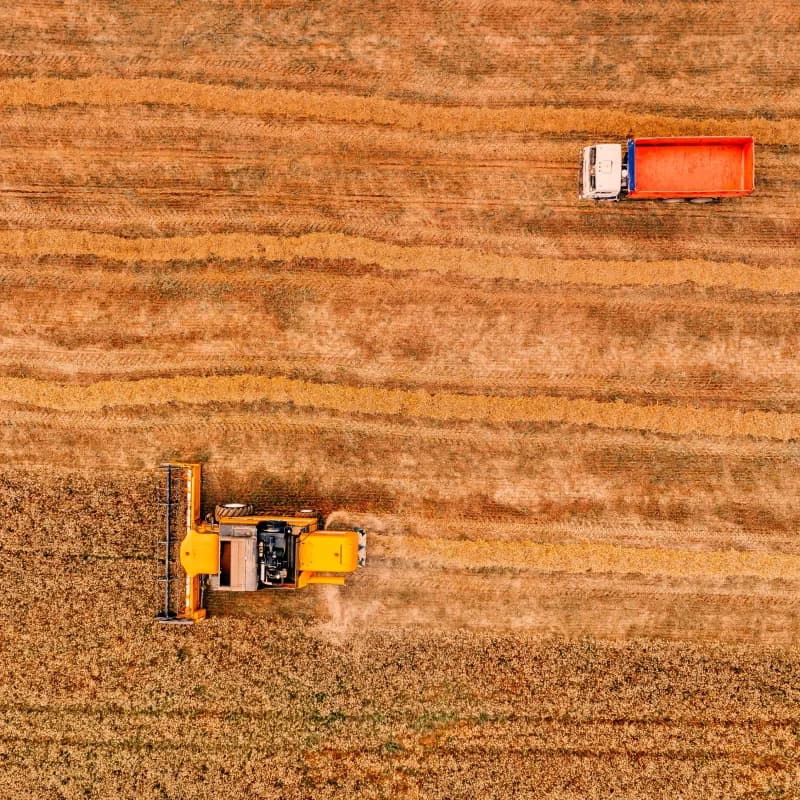
8. Rendering Worldwide
In this chapter, we will learn about the Rendering Worldwide “Rendering is a truly global market that connects continents. In some countries, known as deficit markets, demand exceeds production, creating the need for imports. In others, surplus markets emerge, with abundant raw materials and strong export capacity. Trade between both sides generates jobs, growth, and opportunities for the industry. However, before importing, it is essential to understand national regulations, quality requirements, and logistical costs. In this way, rendering not only balances markets, but also strengthens international supply chains and contributes to global food security.”
Read Chapter
9. Regulatory Updates
In this chapter, we will learn about the Regulatory Updates in the Rendering Industry “Regulation is the foundation of trust in the rendering sector. In the United States, specific legislation ensures traceability and safety. Globally, regulations aim to harmonize practices across countries, facilitating international trade. In the face of risks such as animal diseases, prevention and control are essential to protect people, animals, and markets. Compliance is not just an obligation, it is the key to responsible and sustainable industry growth.”
Read Chapter